

What the EPC C Deadline, the £10,000 Cost Cap and the 2030 Rules Mean for Your Rental Property
If you own a UK buy-to-let property and live overseas, a change in energy efficiency rules is about to carry real financial weight, not just show up as a rating on an EPC certificate. The government has confirmed that private rental properties in England and Wales will need a minimum EPC rating of C by 1 October 2030, replacing the current minimum of E. For a UK-based landlord that is a five-year runway to plan and budget. For an expat landlord managing a property from Dubai, Singapore, Sydney or anywhere else, the same deadline comes with an extra layer of coordination: arranging assessments, tradespeople and finance for a property you can’t simply drop in on.
Below is what the new rules actually require, what they will cost, when an exemption applies, why the practicalities hit expat landlords differently, and how to finance the work from abroad.
What Are the New EPC Rules for Rental Properties?
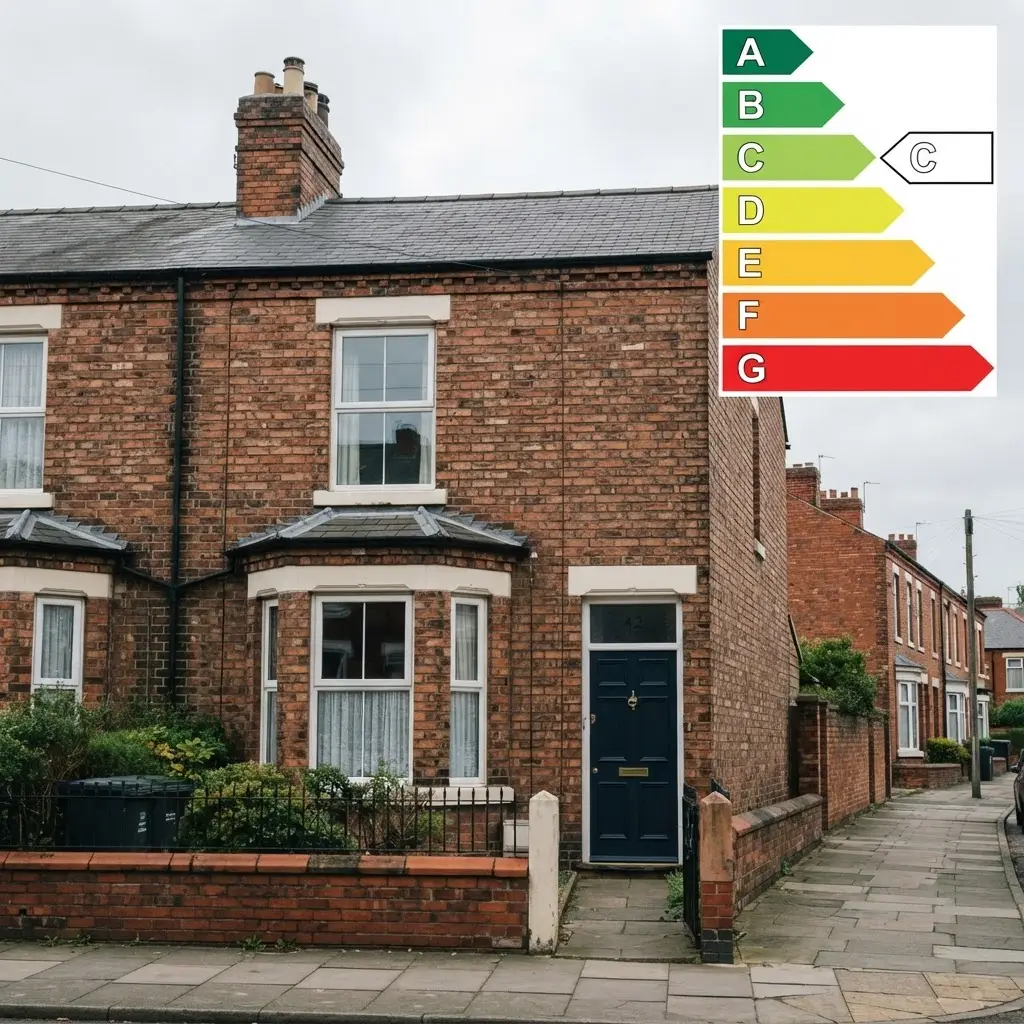
Every UK property carries an Energy Performance Certificate rating, running from A at the top to G at the bottom. Since 2020, the Minimum Energy Efficiency Standards have required privately rented homes to hold a rating of E or above before they can be let. The government has now confirmed, following its Warm Homes Plan consultation, that this minimum will rise to C by 1 October 2030.
The deadline applies to every private tenancy in England and Wales once it takes effect, not just new lettings, so there is no advantage in keeping an existing tenant in place to buy more time. The government’s own figures put roughly 2.9 million privately rented homes in England currently below a C rating, so this affects a large share of the sector, not a small edge case.
It’s also worth being clear on what non-compliance actually means. This isn’t a soft target or a recommendation. Once the rules take effect, a property that doesn’t meet the minimum rating and doesn’t hold a valid exemption generally can’t be lawfully advertised, marketed or let, in the same way a sub-E property can’t be let under the current rules.
The £10,000 Cost Cap: What It Covers and What It Doesn’t
Landlord spending to reach EPC C is capped at £10,000 per property, down from an originally proposed £15,000 after industry pushback during consultation. The cap tapers lower for properties worth under £100,000, where £10,000 would represent 10% or more of the property’s value.
In practice, government figures put the typical cost of taking a property from below C up to C at around £6,100 to £6,800, covering works such as loft and wall insulation, upgraded heating controls, draught-proofing and improved glazing. Support schemes including the Boiler Upgrade Scheme and Warm Homes: Local Grant may cover part of that cost, depending on the property and the works needed.
Exemptions: When You Won’t Have to Meet EPC C
Not every property will need to reach C outright. Landlords can register an exemption, valid for 10 years, in a handful of situations.
- You have already spent up to the £10,000 cost cap and the property still doesn’t reach C.
- All reasonable energy efficiency improvements have already been carried out.
- The property falls into a recognised high-cost or hard-to-treat category.
An exemption has to be formally registered rather than assumed, so it’s worth getting a proper assessment of your specific property before relying on one, particularly if you’re planning to sell or remortgage before 2030.
Which Properties Will Find This Hardest?
Not every property gets to C at the same cost. Older conversions, solid-wall Victorian and Edwardian buildings, flats without loft or external wall access, and off-gas-grid properties are generally the hardest and most expensive to treat, since the cheapest improvements (loft insulation, boiler upgrades) either aren’t available or don’t move the rating far enough on their own. If your property falls into one of these categories, it’s worth getting an assessment early rather than assuming a straightforward insulation job will be enough, since these are also the properties most likely to end up needing an exemption rather than a full upgrade.
Why This Hits Expat Landlords Harder
None of the above is unique to expat landlords, but the practical side of it is. Getting an accurate EPC assessment, comparing quotes and coordinating tradespeople is straightforward when you can drive to the property yourself. It’s a different job entirely when you’re relying on a managing agent to be your eyes on the ground, and every decision has to be made and signed off remotely.
Currency exposure adds another layer most guides on this topic don’t mention. Retrofit work is priced in sterling, but many expat landlords earn in AED, USD, SGD or another currency entirely. Exchange rate movement between budgeting for the work and paying for it can meaningfully change what a capped £10,000 budget actually buys.
There’s also a real income-continuity risk. A property that doesn’t meet EPC C and doesn’t hold a valid exemption generally can’t be lawfully re-let once the rules take effect. For an expat landlord relying on rental income to service a UK mortgage from overseas, that isn’t a minor compliance point, it’s a direct risk to the income the mortgage depends on. It’s also worth raising with your broker ahead of your next remortgage, since a valuer flagging a sub-C rating close to the deadline is the kind of thing that’s easier to get ahead of than react to.
There’s a practical side to this too, beyond compliance. If you’re applying for a mortgage or remortgage on a UK rental property between now and 2030, don’t be surprised if a broker or lender asks what your plan is for reaching EPC C, particularly the closer the property gets to the deadline. Having an answer ready, even a simple one, is more useful than being asked the question for the first time mid-application.
How Expat Landlords Can Finance the Retrofit Work
Most landlords don’t pay for retrofit work out of savings, and expat landlords are no different. Remortgaging or taking a further advance to release equity is the most common route, and gives you a single lump sum to work with rather than funding works piecemeal. We’ve covered the mechanics of this in more detail in our guide to remortgaging to improve buy-to-let energy efficiency.
A further advance from your existing lender, where available, can be faster than a full remortgage if you’re not due to come off a fixed rate for a while. Some UK lenders also offer green mortgage products with preferential rates or cashback for higher-rated properties (generally A or B), so it’s worth asking a broker whether a purchase or remortgage you’re already planning could qualify.
If you already have a remortgage or additional borrowing on the horizon in the next few years, bundling the retrofit costs into that application is usually more efficient than arranging a standalone loan for the work later. Our expat mortgage calculator is a useful starting point for working out what additional borrowing could look like, and our team can talk through the options on a call.
Spreading the works over more than one project rather than trying to fund everything at once is also worth considering, particularly for a hard-to-treat property where the full cost could sit close to the cap. Getting two or three quotes before committing to any single contractor is standard advice for any UK-based landlord, but it matters even more when you can’t easily meet a contractor in person or check their previous work yourself.
What Expat Landlords Should Do Now
2030 sounds a long way off, but the practicalities of managing works remotely mean it’s worth starting earlier than a UK-based landlord might.
- Get a current EPC assessment if you don’t already have one, or if your existing one is more than a few years old.
- Ask your letting or managing agent for a realistic quote covering exactly what your property will need.
- Budget against the £10,000 cap and track how close that budget gets you to a C rating.
- Talk to an expat mortgage broker about how you’d fund the work well before you actually need to, especially if you’re partway through a fixed rate.
- Hold onto records of any works carried out, in case you need to register an exemption later.
Frequently Asked Questions
When do UK rental properties need to reach EPC C?
All privately rented homes in England and Wales must reach a minimum EPC rating of C by 1 October 2030, replacing the current minimum of E.
The deadline applies to every private tenancy, not just new ones, so landlords don’t get extra time by keeping an existing tenant in place.
How much will I have to spend to meet the new EPC rules?
The government has capped landlord spending at £10,000 per property, though the average cost of getting a home from below C up to C is estimated at around £6,100 to £6,800.
The cap is lower for properties worth under £100,000, and schemes such as the Boiler Upgrade Scheme may reduce that figure further.
Can I get an exemption if I can't reach EPC C?
Yes, landlords can register a 10-year exemption if they reach the £10,000 cost cap without hitting C, or if all reasonable improvements have already been made.
Exemptions need to be formally registered rather than assumed, so it’s worth getting professional advice on your specific property before relying on one.
How does this affect me if I manage my UK property from abroad?
For expat landlords it’s the logistics that make this hard, not the rules themselves: arranging assessments, quotes and tradespeople for a property you might not get to see in person.
Currency movement can also add real cost swings to a capped budget, since UK retrofit work is priced in sterling but many expat landlords earn in a different currency.
Can I remortgage to pay for energy efficiency improvements?
Yes, remortgaging or taking a further advance to release equity is one of the most common ways landlords fund retrofit work, rather than paying for it from savings.
A broker can also check whether green mortgage products offering better rates for higher-EPC-rated properties are relevant to your situation.
What happens if my rental property still doesn't meet EPC C by 2030?
A rental property that doesn’t meet the new minimum and doesn’t hold a valid exemption generally can’t be lawfully re-let once the rules take effect.
For landlords relying on rental income to cover a UK mortgage, that makes early planning far more important than treating 2030 as a distant deadline.
Final Thoughts
If you have any questions relating to the new EPC rules and what they mean for your UK buy-to-let, contact us today to speak directly with one of our expat mortgage advisors.
Expat Mortgages UK is a specialist broker directly authorised and regulated by the Financial Conduct Authority. We work exclusively with expats and foreign nationals buying UK property with overseas income. Your home may be repossessed if you do not keep up repayments on your mortgage.
Call: +44 1494 622 555
Email: info@expatmortgages-uk.com
Related Pages
- Remortgage to Improve Buy-to-Let Efficiency – a closer look at financing energy efficiency works specifically.
- Financial Planning for Expats – wider financial planning considerations for property investors abroad.
- UK Expat Mortgage Application Guide – a full walkthrough of the application process.
- Top UK Cities for Expat Property Investment – where expat investors are buying and why.
- Structuring Your Buy-to-Let Portfolio Through an Offshore Company – benefits and risks for portfolio landlords.