 Belgium
 Cyprus
 France
 Germany
 Guernsey
 Ireland
 Italy
 Netherlands
 Poland
 Portugal
 Spain
 Switzerland
 Turkey
 Australia
 China
 Hong Kong
 India
 Japan
 Malaysia
 New Zealand
 Philippines
 Singapore
 South Korea
 Thailand
 Vietnam
 Dubai
 Saudi Arabia
 Qatar
 Oman
 Kuwait
 Canada
 United States
 Brazil
 South Africa


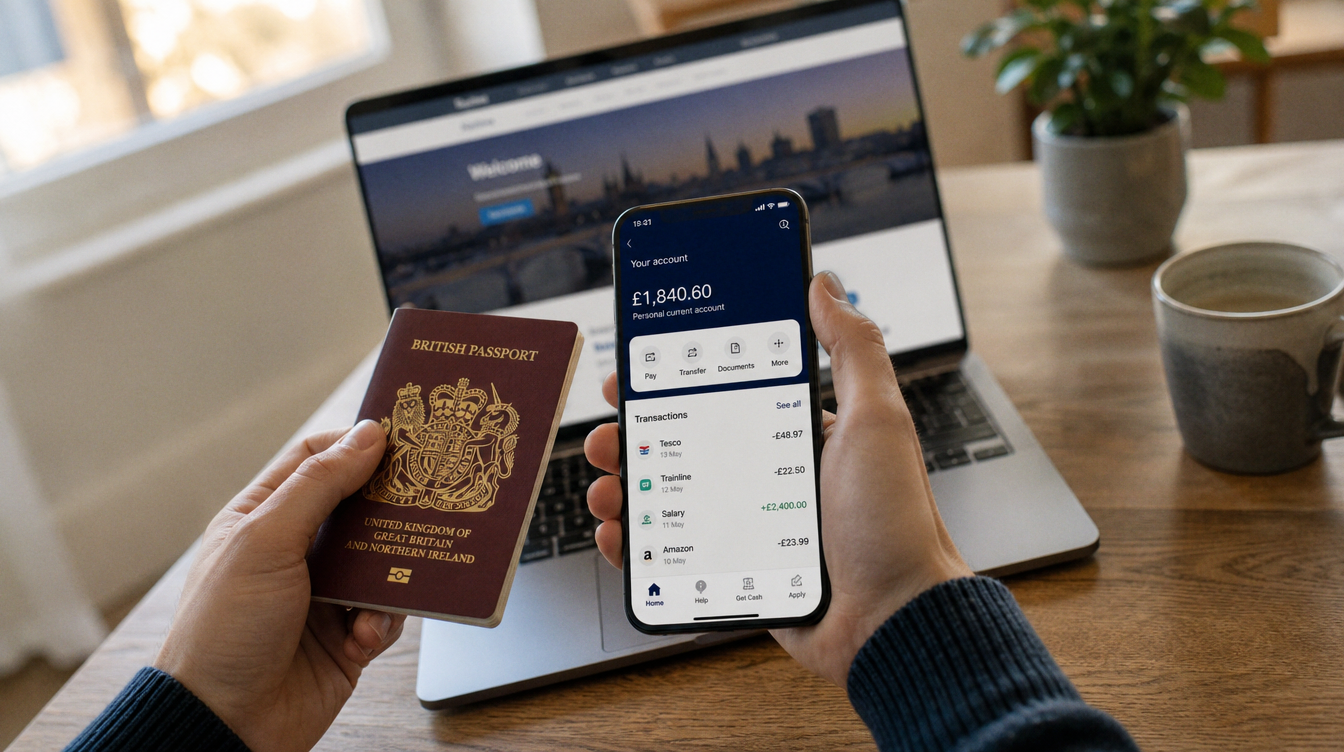
What Expats Need to Know Before Opening a UK Bank Account
Getting a mortgage offer is not the same as being ready to complete. Most expat buyers also need somewhere in the UK to hold their money, and it is usually the last thing anyone thinks about until a solicitor asks for it. This covers what you actually need, what is genuinely open to you as a non-resident, and the one place deposits quietly lose value without anyone noticing.
Why You Need a UK Bank Account to Buy Property
Your solicitor wants to see your deposit sitting in, or moving through, an account that is in your name. Money that arrives straight from an account overseas, with no UK history behind it, tends to raise questions a conveyancer would rather not have to ask. Mortgage lenders will not release funds into an international account either, and this sits alongside the rest of the mortgage approval process for expats. Then completion happens, and the bills start: the mortgage, council tax, gas and electric, all of it collected by direct debit from somewhere. A UK account turns each of those into something automatic. Without one, you are solving the same small problem four or five times over.
Your Options as a Non-Resident
A handful of high street banks run dedicated teams for people living abroad. The catch is what they ask for first: several thousand pounds already held or invested with them, often a minimum income on top, and a slow, paperwork-heavy process that can drag on for weeks. A few will let you start the application overseas and finish it once you have a UK branch to walk into. If you are weighing up which route suits you, our page on how a broker can help expats save money covers where that advice tends to pay for itself.
Most buyers skip that route altogether and go with a UK digital bank or a multi-currency provider. UK residency is not usually a requirement. A passport and a quick identity check are often all it takes, and a sort code and account number can be ready within a couple of days. There is a catch worth knowing, though: a lot of these providers are e-money firms, not banks, which means your balance sits under safeguarding rules instead of the Financial Services Compensation Scheme (FSCS). For a few weeks around completion, that distinction barely matters. Leave a six-figure sum sitting there for months, and it starts to matter quite a bit, so check which category you are dealing with.
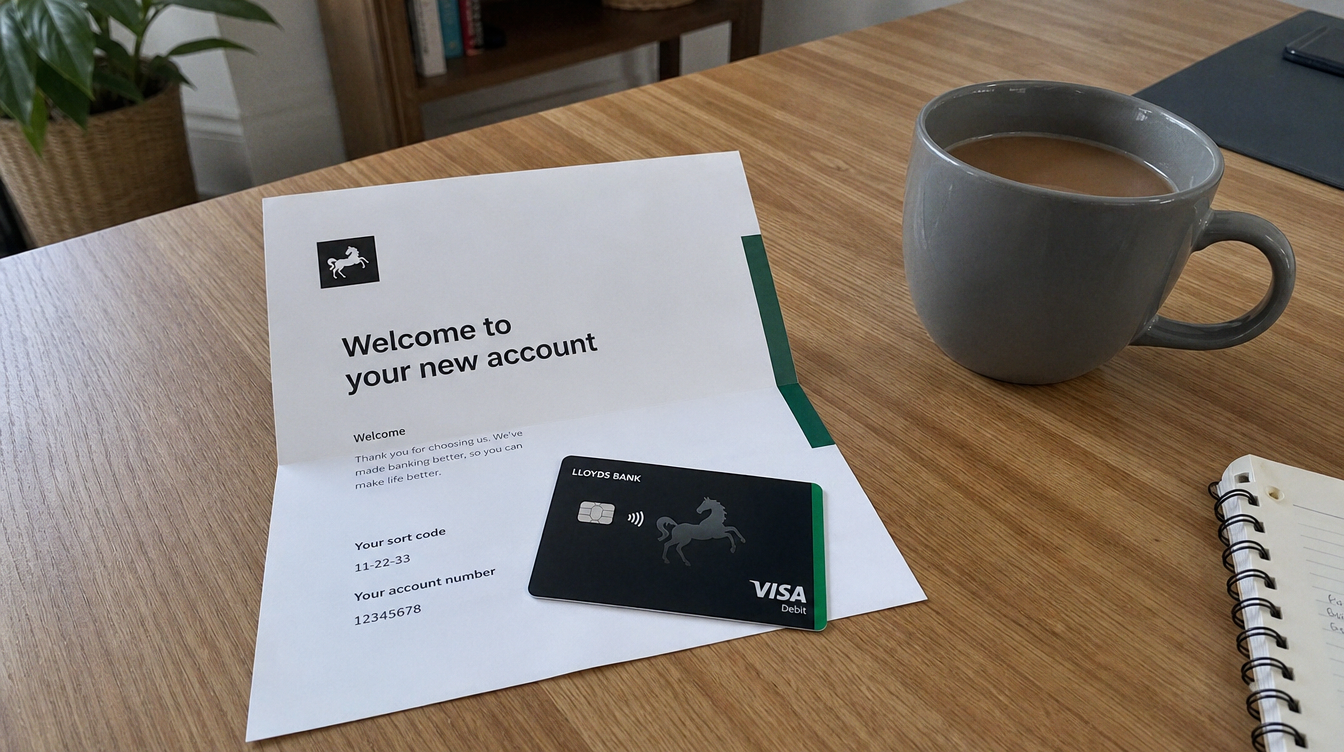
A sort code and account number can be ready within a couple of days
What Documents You Will Likely Need
Photo ID comes first, and for almost everyone that means a passport. Where things diverge is proof of address: digital and multi-currency providers will typically take whatever overseas address you currently have, while high street banks want a UK one, awkward, given you probably do not have a UK address until the property is yours. Larger sums bring the usual anti-money-laundering scrutiny, so keep records of exactly where your deposit came from. Nobody wants that conversation happening for the first time the week before completion.
Managing the Cost of Moving Money
The money that disappears from an international transfer rarely shows up as a fee. It disappears in the exchange rate, a little at a time, and buyers notice only once the deposit lands short. Get quotes from two or three providers before sending anything significant, and ask your solicitor how firm the completion date actually is, since UK property transactions clear on a fixed day, not a window. If you have not already worked out how much you are likely to need, our expat mortgage calculator is a good starting point before you move anything. Planning to move money more than once? A multi-currency account tends to work out cheaper across several transfers than paying the spread each time through a bank.
Frequently Asked Questions
Do I need a UK address to open a bank account as an expat?
Usually not, if you go with a digital or multi-currency provider. Your current overseas address is normally enough. High street banks are the ones that tend to insist on a UK address, which is awkward before you own anywhere to live.
Will my money be protected if I use a digital or multi-currency account?
That depends on what kind of provider you choose. A licensed bank gives you standard FSCS cover. An e-money institution gives you safeguarding instead, which is not the same thing. Ask which one you are signing up with before parking a large balance there.
Can I use my UK bank account for my mortgage payments right away?
Your lender sets up the direct debit once your mortgage completes, in the normal way. The account itself is usually ready for everyday use within a few days of passing verification.
Should I open my UK account before or after my mortgage offer?
Before, wherever you can manage it. It gives your solicitor a funds trail to point to, and it means nothing is holding up completion on transfer day.
Will opening a new UK bank account affect my credit score?
Usually not much, if at all. A digital or multi-currency provider typically runs a soft search that does not show up on your file. High street banks are more likely to run a full credit check, which can leave a visible footprint if you apply to several at once.
Can I use the same UK account for both my deposit and my ongoing mortgage payments?
Yes, most buyers do. Just check the account has no restrictions on how it is used before you rely on it for both, since a few digital providers cap transaction sizes that matter for a deposit-sized transfer.
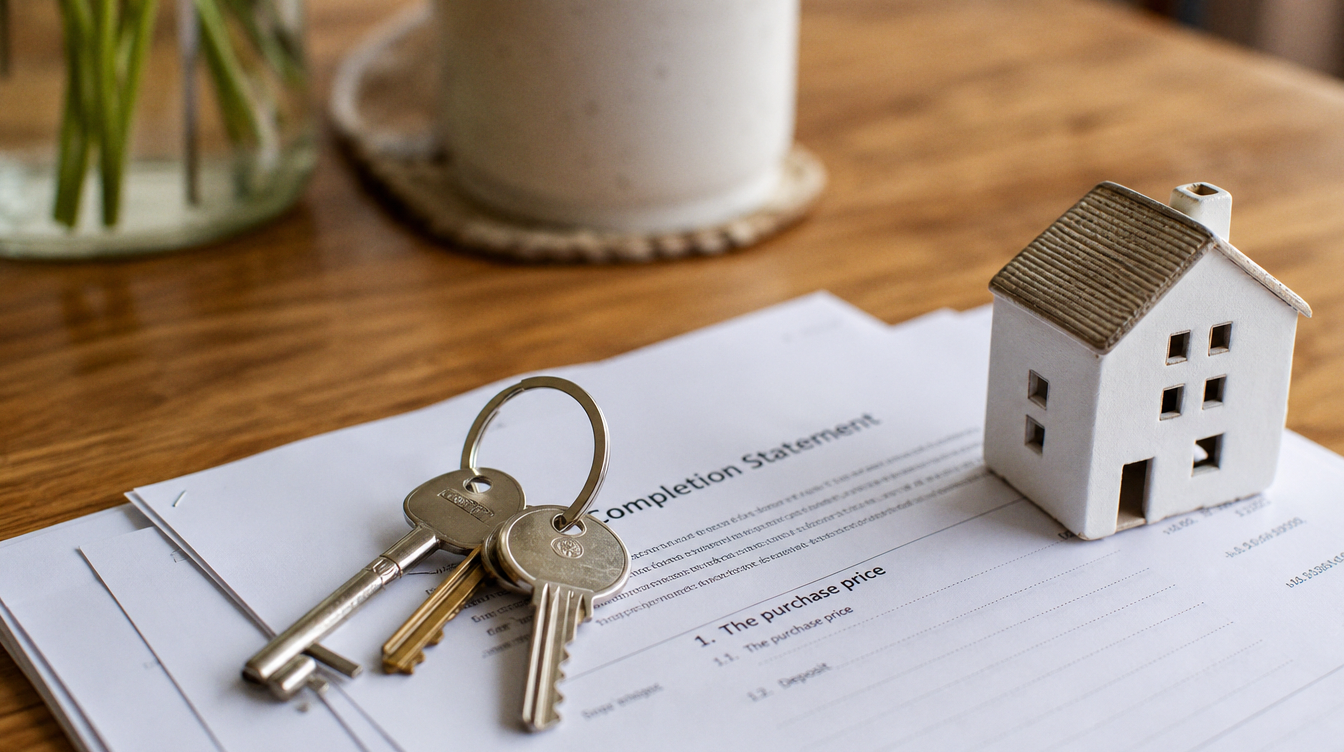
Having a UK account ready in good time keeps completion day straightforward
Final Thoughts
Questions about buying UK property as an expat tend to multiply the closer you get to completion. Contact us and one of our expat mortgage advisors will walk through yours directly.
Expat Mortgages UK is a specialist expat mortgage broker, directly authorised and regulated by the Financial Conduct Authority. We work exclusively with expats and foreign nationals buying UK property with overseas income. Your home may be repossessed if you do not keep up repayments on your mortgage.
Call: +44 1494 622 555 Email: info@expatmortgages-uk.com
Related Pages
- Current UK Mortgage Rates – see how today’s rates affect your overall buying costs.
- About Expat Mortgages UK – who we are and how our advisers work with overseas buyers.
- Expat Buy-to-Let Mortgages – if the property you are buying is an investment rather than a home.
- Cross-Border Tax Considerations – for US-based buyers, how UK property fits your wider tax position.