 Belgium
 Cyprus
 France
 Germany
 Guernsey
 Ireland
 Italy
 Netherlands
 Poland
 Portugal
 Spain
 Switzerland
 Turkey
 Australia
 China
 Hong Kong
 India
 Japan
 Malaysia
 New Zealand
 Philippines
 Singapore
 South Korea
 Thailand
 Vietnam
 Dubai
 Saudi Arabia
 Qatar
 Oman
 Kuwait
 Canada
 United States
 Brazil
 South Africa



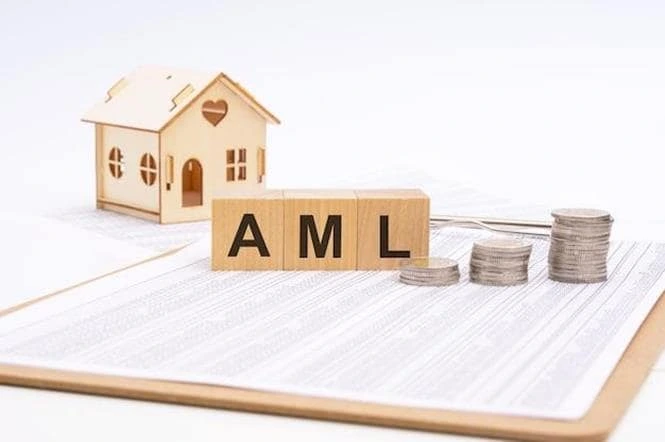
If you live abroad and want to buy property in the UK, the process has become a little more challenging recently. This is due to the new Anti-Money Laundering (AML) regulations introduced earlier in 2025. Lenders are now required to carry out AML checks on all mortgage applications in response to a rise in suspicious financial activity in the past few years.
When you are applying for a UK mortgage through an expat mortgage specialists, lenders may ask for detailed information about your finances. They will need to confirm the source of your funds to ensure they originate from legitimate means. The aim is not to prevent you from purchasing a home, but to protect the UK property market from the risks associated with illicit money.

Why AML Checks Matter for Expat Mortgages
Unfortunately, some people who come to the UK to buy property get their funds through crime. The rules of AML are designed to ensure that individuals who make money from criminal activities cannot buy property in the UK. By law, all banks and UK expat mortgage lenders must make sure that the money used for a mortgage is legitimate.
These rules can be tough for expats because they mean filling out more paperwork than a buyer in the UK would have to deal with.
If you are sending money from a country that the UK sees as high risk, lenders may carry out further checks before they approve your mortgage.
What You Must Prove to Get an Expat Mortgage
When you apply for an expat mortgage, lenders will want to see proof of various things, including:
1. Proof of Address
Lenders need to confirm your identity and current residence. You may be asked to provide your passport along with documents that verify your address, such as a utility bill or tenancy agreement.
If you have been living abroad for an extended period, you may also be asked to provide evidence that you had the legal right to live there.
2. Proof of Income
Once they have confirmed your address, mortgage lenders will also require proof of income. This helps them assess whether your earnings are stable, reliable and from a legal source.
You may be asked to provide recent payslips, an employment contract and bank statements that show your salary deposits. If you are self-employed or run a small business, you will usually need to provide your past few years of tax returns as evidence of income.
If you are an applicant who is paid in a foreign currency, lenders will convert the money into pounds sterling to determine how much is available for your mortgage application.
3. Your Bank Deposit
Your deposit is the third key area lenders look at, and they need to know where it came from. If it comes from your savings, you will need to provide several months of bank statements. For funds from a property sale, you must show proof of the transaction. The lender will require a signed letter confirming you were actually given the funds rather than just loaned them if the money was a gift. Where a power of attorney is involved in the application, our guide to power of attorney rules for UK expat mortgages covers the extra identity checks lenders will expect to see.
Why Do Expat Mortgage Applications Face More Scrutiny?
When you apply for an expat mortgage UK, the lender will review your application more closely than they would with a regular UK mortgage. One reason is that money often passes through multiple banks and countries before it gets to the UK, and lenders need to track each step.
Another reason is that documents from other countries can differ from UK documents. They are usually translated before they are accepted. Lenders monitor everything very carefully in order to prevent fraud.
Many people hire an expat mortgage advisor when they are applying for a mortgage for these reasons. An advisor knows exactly what lenders need to see and can help you prepare the right documents from the start. This can make the whole process much quicker and smoother. If you have already been turned down once, our guide on why some UK lenders say no to expats and how to get approved explains what commonly goes wrong and how to fix it.
How to Make AML Checks Easier
You can make AML checks run more smoothly by being well-prepared.
Start by gathering all your documents in one place. This usually includes tax records, payslips and proof of your deposit.
Make sure your bank statements are clear and consistent. Avoid making sudden cash deposits as this can raise questions and slow the process down.
It is also important to work with a specialist expat mortgage advisor. These industry specialists understand how different lenders apply AML rules and can guide you through the entire process. Always be honest about your situation. If your deposit is a gift or you have multiple sources of income, make sure you tell the broker right away. This will save time and reduce complications further down the line.
Final Thoughts
From now on, all mortgage applications in the UK will be subject to AML checks. However, these checks do not have to prevent you from buying a home. With the right planning and support, the process can be a straightforward one.
Expat Mortgages UK is a specialist broker directly authorised and regulated by the Financial Conduct Authority. We work exclusively with expats and foreign nationals buying UK property with overseas income. Your home may be repossessed if you do not keep up repayments on your mortgage.
Call: +44 1494 622 555 Email: info@expatmortgages-uk.com
Related Pages
- Common Challenges Expats Face When Applying for a UK Mortgage – the eligibility hurdles that come up most often and how to prepare for them.
- Can Expats Get a UK Mortgage? – eligibility criteria, lender selection and what the specialist market looks for.
- Foreign Investment in the UK Guide – what overseas buyers need to know before investing in UK property.
- Residential Mortgages for Expats – financing for UK property to live in as a British expat or foreign national.
- Expat Mortgage Calculator – get an instant estimate that allows for foreign currency income.